
UK organizations in healthcare, pharmaceuticals, and aerospace must strictly adhere to quality assurance (QA) standards to ensure their products and services meet legal requirements and industry excellence. The accurate translation of QA documentation is essential for global operations, particularly as these industries often operate internationally. Specialized translation services for UK QA Documentation are indispensable for precise translations into various languages, ensuring clarity, context retention, and compliance with regulatory standards. These services enable companies to effectively communicate with international partners and regulatory bodies, maintain the integrity of their critical information, and streamline processes through advanced software solutions that manage QA documentation efficiently. By utilizing a combination of technology and expert linguistic knowledge, organizations can ensure ongoing compliance, operational efficiency, and the highest levels of product integrity, thereby safeguarding customer confidence and maintaining quality assurance across all operations. Examples from a pharmaceutical company and a multinational engineering firm demonstrate the practical impact of these translation strategies in internationalizing QA documentation while upholding stringent industry norms.
navigating the intricate requirements of UK Quality Assurance (QA) can be a daunting task for organizations, particularly when it comes to ensuring that their QA manuals align with industry standards. This article delves into the critical aspects of compliance within UK QA documentation, emphasizing the importance of adherence to stringent guidelines. We will explore the essential components of compliant QA manuals, the indispensable role of translation services for UK QA Documentation in maintaining integrity across diverse linguistic environments, and strategies to steer clear of common compliance pitfalls. Through technological advancements and real-world examples, we aim to provide a comprehensive understanding of how to effectively manage and comply with QA manual standards.
- Understanding the Necessity of Compliance in UK QA Manuals
- Overview of Industry Standards for UK Quality Assurance Documentation
- Key Elements of Compliant UK QA Manuals
- Role of Translation Services in Maintaining QA Documentation Integrity
- Common Pitfalls and How to Avoid Them in QA Manual Compliance
- Utilizing Technology for Efficient QA Manual Management and Compliance
- Case Studies: Successful UK QA Manual Compliance and Translation Implementations
Understanding the Necessity of Compliance in UK QA Manuals

Organizations operating within the UK’s regulated sectors, particularly those involved in healthcare, pharmaceuticals, and aerospace, must adhere to stringent quality assurance (QA) standards. The necessity of compliance within UK QA manuals is paramount, as it ensures that products and services meet both legal requirements and industry best practices. These manuals serve as a comprehensive guide for processes, procedures, and documentation that are critical in maintaining the integrity of goods and services. Non-compliance can lead to significant consequences, including product recalls, financial penalties, and damage to brand reputation.
To ensure UK QA manuals align with industry standards, companies often seek specialized translation services for UK Quality Assurance Documentation. These services are crucial in bridging language barriers while maintaining the accuracy and technical integrity of QA documents. Whether the documentation is intended for internal use or for international partners, these translation experts are well-versed in both the linguistic nuances and the regulatory landscapes relevant to QA. Their work ensures that all translated content reflects the precise intent and compliance requirements of the original texts, facilitating a seamless understanding across different stakeholders and markets. This level of precision is essential for maintaining the quality and safety of products and services, and for ensuring that companies remain compliant with the ever-evolving standards within their respective industries.
Overview of Industry Standards for UK Quality Assurance Documentation

UK Quality Assurance (QA) documentation serves as a cornerstone in maintaining high standards within various industries, from manufacturing to software development. It ensures that products and services meet both legal requirements and customer expectations. Industry standards for QA documentation are stringent and cover a range of aspects including testing procedures, data management, and record-keeping practices. These standards, such as ISO 9001 and the Good Manufacturing Practice (GMP), provide a framework for consistency, reliability, and quality control. For organizations operating in multinational contexts, translation services play a pivotal role in ensuring that UK QA documentation is accurately conveyed in other languages without compromising the integrity or comprehensiveness of the original content. This is crucial for companies that engage in international trade, as it allows for seamless communication and understanding of quality expectations across different cultures and markets. In the UK, the relevance of precise and compliant QA documentation is further underscored by regulatory bodies like the Medicines and Healthcare products Regulatory Agency (MHRA) and the Office for Product Safety and Standards (OPSS), which enforce stringent guidelines to safeguard public health and safety. Companies must, therefore, invest in high-quality translation services that specialize in QA documentation to guarantee compliance with these industry standards, thereby protecting their reputation and ensuring regulatory approval.
Key Elements of Compliant UK QA Manuals

UK Quality Assurance (QA) manuals are pivotal in maintaining the integrity and consistency of products and services across various industries. To ensure these manuals align with industry standards, they must incorporate several key elements that reflect both legal requirements and best practices. A fundamental aspect of compliant UK QA manuals is their adherence to the ISO 9001 standard, which provides a framework for quality management systems. These manuals should outline clear procedures and processes that detail how quality control checks are conducted, documented, and reviewed.
Furthermore, the inclusion of detailed protocols for data handling, risk assessment, and corrective and preventive action (CAPA) is essential. The manuals must also address the requirements for translation services for UK QA documentation, ensuring that all content is accurately translated into the necessary languages while maintaining the original context and meaning. This is particularly important for companies operating internationally, where communication across different languages is critical. Additionally, the manuals should be regularly updated to reflect any changes in legislation or industry standards, demonstrating a commitment to continuous improvement and compliance. Utilizing translation services that specialize in UK QA documentation can significantly enhance the accuracy and reliability of these translations, thereby upholding the overall quality and compliance of the company’s operations.
Role of Translation Services in Maintaining QA Documentation Integrity
UK organisations that operate within regulated industries, such as pharmaceuticals, medical devices, and aerospace, must adhere to stringent Quality Assurance (QA) standards to ensure product safety and compliance. A critical aspect of maintaining this integrity is the accurate translation of QA documentation. As businesses expand their reach globally, there is an increasing need for high-quality translation services that can render UK QA documentation into various languages without compromising on accuracy or context. These translation services play a pivotal role in ensuring that all stakeholders, including international partners and regulatory bodies, have access to the necessary information in a language they understand fully. The translators must possess specialized knowledge of both the source and target languages, as well as a comprehensive grasp of industry-specific terminology. This expertise is essential to convey the nuances and technical details present in QA documentation accurately. Furthermore, these services are instrumental in maintaining the integrity of the original documents by providing precise, clear, and contextually relevant translations. This not only facilitates smoother cross-border operations but also ensures that compliance with industry standards is upheld across different regions, safeguarding both the company’s reputation and consumer safety.
Common Pitfalls and How to Avoid Them in QA Manual Compliance
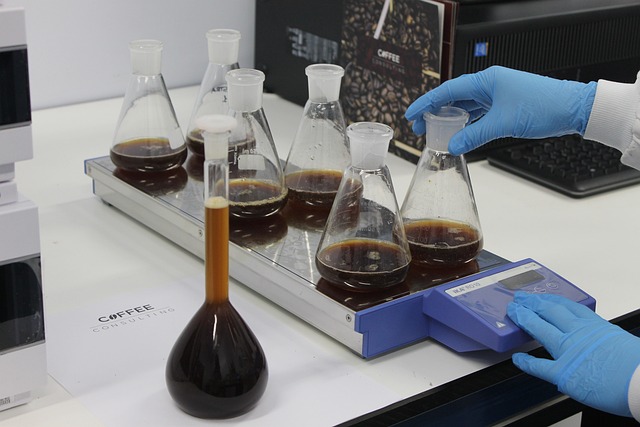
When managing UK Quality Assurance (QA) manuals, maintaining compliance with industry standards is paramount. A common pitfall organizations encounter is the assumption that a manual, once created, remains compliant indefinitely. This is misleading, as both QA processes and regulatory requirements can evolve over time. To avoid this issue, it is essential to regularly review and update your manuals to reflect current practices and standards. Translation services for UK QA Documentation play a crucial role in this process, especially for organizations operating in multilingual environments or those looking to expand globally. Employing professional translators who specialize in QA terminology ensures that the translated documents are accurate and meet the necessary regulatory compliance. Additionally, it is important to establish a clear process for tracking changes and updates to the manual, including version control and approval workflows. This not only keeps the manual current but also ensures that all stakeholders are aware of the latest QA procedures. Regular training sessions for staff on the updated QA manual can further mitigate the risk of non-compliance due to misinterpretation or outdated information. By staying vigilant and proactive in updating and translating UK QA documentation, organizations can maintain compliance and uphold the integrity of their products and services.
Utilizing Technology for Efficient QA Manual Management and Compliance

In an increasingly complex and globalized market, ensuring that UK Quality Assurance (QA) manuals comply with industry standards is a multifaceted task. The integration of technology has become pivotal in managing QA documentation efficiently while maintaining compliance. Advanced software solutions now facilitate the seamless translation of QA documentation into various languages, which is particularly crucial for companies operating across different regions, including those that require translation services for UK QA Documentation. These technological tools not only bridge language barriers but also streamline the process of updating and distributing QA manuals in line with evolving industry standards. They provide real-time updates and version control, ensuring that all stakeholders have access to the most current information. This technology-driven approach minimizes the risk of discrepancies and errors, which can be costly and detrimental to product quality and customer trust. Moreover, it enables a centralized repository for QA documentation, making it easier to manage, track changes, and audit compliance across different sites and jurisdictions. By leveraging such tools, organizations can enhance their operational efficiency, reduce the potential for human error, and uphold the highest standards of quality assurance.
Case Studies: Successful UK QA Manual Compliance and Translation Implementations
Organizations operating within the UK that seek to ensure their quality assurance documentation aligns with industry standards have often turned to specialized translation services for UK Quality Assurance (QA) Documentation. A prime example of successful compliance and translation implementation can be found in a leading pharmaceutical company, which successfully navigated the complexities of multilingual QA manuals. Facing the challenge of maintaining consistency across various languages while adhering to stringent regulatory requirements, they partnered with a renowned language services provider. This partnership facilitated the precise translation of their UK QA manuals into multiple languages, ensuring that each document was not only linguistically accurate but also reflected the latest industry standards. The result was a suite of QA documentation that was both compliant and accessible to a global workforce, thereby enhancing operational efficiency and safeguarding product integrity.
Another case study illustrates the seamless integration of translation services for UK Quality Assurance Documentation within the manufacturing sector. A multinational engineering firm implemented a comprehensive translation strategy to convert their UK QA manuals into several other languages. By leveraging advanced translation technologies alongside human expertise, they achieved a remarkable level of accuracy and adherence to industry norms. This initiative not only streamlined their internal processes but also provided a model for other companies looking to globalize their QA documentation. The company’s commitment to quality and compliance was upheld across all linguistic versions of their manuals, demonstrating the value of expert translation services in maintaining high standards in a globalized industry.
In concluding, the integrity of UK QA manuals hinges on their adherence to industry standards. This article has navigated through the essential aspects of compliance, highlighting the importance of aligning with established norms such as ISO and GxP guidelines. By incorporating translation services for UK Quality Assurance Documentation, organizations can uphold the accuracy and relevance of their manuals across diverse linguistic environments. Recognizing common pitfalls and leveraging technological advancements are critical steps in maintaining compliance. The case studies presented underscore the effectiveness of these strategies, demonstrating that robust QA manual management is not only achievable but also essential for operational excellence and regulatory success. Ensuring your UK QA manuals meet these stringent standards is a testament to an organization’s commitment to quality and safety.